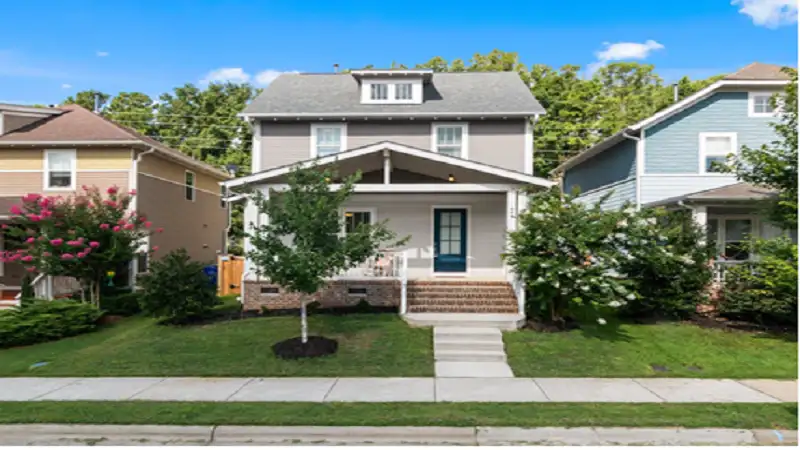
Buying a new place is one of the biggest milestones in life. It represents freedom, fresh beginnings, and the excitement of building something that truly feels like yours. Before diving into decorating or upgrading, it’s important to understand how the home-buying process affects what comes next. The financial side of home ownership, especially factors like housing affordability, plays a major role in shaping long-term comfort. When people know what affects monthly payments and future planning, they can approach every step with clarity. This awareness helps balance style choices with smart spending, allowing new homeowners to create a space that reflects their personality without unnecessary stress.
Here’s how you can transform your new home:
Creating a Personal Vision for Your Space
Before unpacking the first box, think about how you want your living space to look and feel. Every home tells a story, and yours should reflect what matters most. Make a list of rooms to focus on, noting how you’ll use each one. This vision helps you stay focused when making furniture or color choices. Some people prefer a calm, minimalist style, while others love a mix of warmth and character. Whatever you choose, having a direction avoids unnecessary expenses later. Keep this plan flexible so it can evolve as your needs change and your personal taste grows.
Understanding Financial Foundations Before Moving Forward
Before beginning renovations or décor updates, it helps to understand the financial basics that come with home ownership. Knowing how current mortgage rates affect monthly payments gives you a clearer view of what’s manageable. Financial platforms share valuable insights on housing-related trends and rate comparisons, allowing homeowners to make informed choices. They provide resources for understanding affordability, financial products, and various educational tools. Staying informed helps homeowners plan upgrades confidently without overspending. It also allows you to set realistic goals and maintain flexibility for future improvements. The right awareness early on can make every stage, from buying to design and maintenance, more efficient and stress-free.
Setting a Realistic Budget for Each Stage
A practical budget helps you move forward without regret. Break down your spending into stages: immediate needs like furniture and utilities, then gradual improvements such as lighting, fixtures, or flooring. Keep track of where your money goes so that each change feels intentional. Remember, not every upgrade must happen right away. It’s better to focus on what improves comfort rather than what looks trendy. If you allocate resources wisely, you’ll have space for future projects without feeling pressured. Regularly revisiting your plan ensures it stays aligned with your goals and prevents unnecessary overspending along the way.
Tackling Essential Repairs First
Before exploring design ideas or shopping for décor, make sure your home’s structure and safety needs are covered. Address issues like leaks, faulty wiring, or insulation early. These repairs may not seem exciting, but they create a strong foundation for everything else. Fixing small problems now saves money and time later. Start with an inspection checklist, identifying what requires professional attention versus what you can handle yourself. Once these basics are in order, you can focus confidently on aesthetic changes. Managing these steps carefully keeps your home comfortable, secure, and ready for personal touches that truly make it yours.
Choosing a Functional Design Style
A stylish home isn’t about following trends. it’s about creating comfort that works for you. Choose colors, furniture, and materials that suit both your personality and your lifestyle. A functional design makes daily routines easier and maintains flow across different rooms. Think about storage, traffic areas, and how furniture placement affects space use. Mixing durability with elegance helps you create a timeless setting that feels both practical and appealing. Don’t rush this process; take time to explore what fits best. A home that feels natural to live in will always stand out more than one designed for display.
Gradually Investing in Quality Upgrades
You don’t need to complete every improvement immediately. Gradual progress keeps your spending steady while allowing time to make better choices. Focus first on high-impact updates, like lighting, flooring, or smart energy solutions. These adjustments can make your space more efficient and comfortable without a major budget hit. Over time, you can expand into larger projects such as kitchen or outdoor upgrades. Choose materials that last and fit your lifestyle rather than chasing fast-changing trends. The satisfaction comes from seeing your space grow into something meaningful, one thoughtful improvement at a time.
Decorating with a Personal Touch
Once the main structure and essentials are sorted, decorating becomes the fun part. Add personal elements like photos, artwork, or textures that represent your personality. Small details such as cushions, rugs, and curtains can completely change the atmosphere. Stick with a theme that makes you feel calm and connected rather than one that feels forced. You don’t need to spend excessively to make an impact. Often, rearranging existing décor or introducing subtle accents creates the warmth you want. Every decision you make adds personality to your home, turning it into a space that feels entirely your own.
Maximizing Comfort Through Smart Organization
Good organization goes beyond keeping things tidy. It supports comfort and convenience. Use functional furniture, such as beds with storage or expandable tables, to make the most of limited areas. Closet organizers and shelving systems help maintain order without clutter. Label containers and keep essentials within reach for easy access. A well-arranged home saves time and reduces frustration during busy mornings. Regular decluttering helps maintain balance and keeps your space open and breathable. Smart organization also makes it easier to introduce new design elements later, giving you flexibility as your routines or preferences evolve.
Transforming a new house into a welcoming home happens step by step. From understanding financial aspects early on to choosing design styles that reflect your personality, every choice contributes to comfort and stability. Staying informed, budgeting wisely, and approaching upgrades gradually allows you to enjoy the process without stress. With time and thoughtful effort, your home becomes a reflection of your values, preferences, and memories. Building it your way, patiently and purposefully, creates a space that feels as rewarding as the day you first walked through the door.