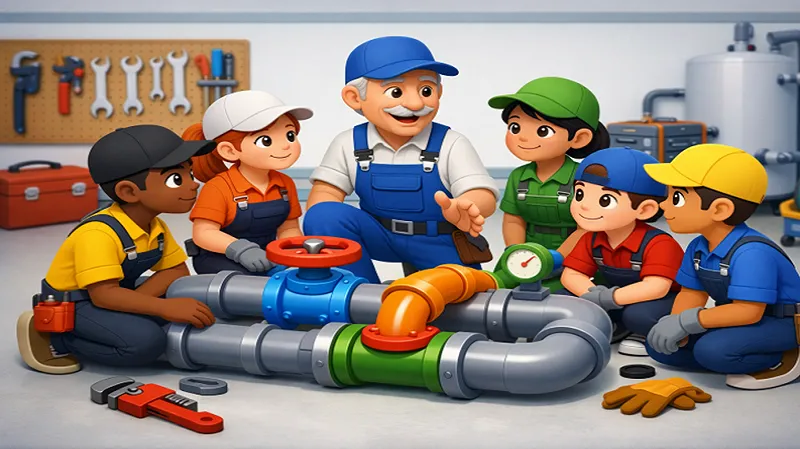
As the demand for skilled tradespeople continues to rise, the plumbing industry faces a critical need to train and equip the next generation of professionals. The ongoing labor shortage underscores the need for robust, comprehensive plumbing training programs. By focusing on hands-on experience, mentorship, and modern educational strategies, the industry can not only resolve staffing issues but also ensure a flourishing future for the trade. For those interested in joining or advancing in this essential field, exploring reputable training programs allows individuals to learn more about available pathways and opportunities.
There is a direct link between investment in training and the long-term sustainability of the plumbing profession. Preparing students with the skills necessary to thrive in this dynamic environment requires a collaborative approach between educators, industry organizations, and employers. Such partnerships help raise the standard of training, enhance safety compliance, and foster innovation in plumbing practices.
Rising Demand for Skilled Plumbers
Across North America, new construction and infrastructure projects are accelerating, driving increased demand for qualified plumbers. According to construction industry projections, around 349,000 new tradespeople will be required this year to meet current demand, with plumbing among the pivotal trades. This persistent gap not only challenges builders and property owners but also underscores the industry’s need for structured training for growth. The need for well-trained professionals is greater than ever, and a shortage of skilled labor can delay projects and increase costs for businesses and consumers alike. To stay competitive and keep up with industry demands, investing in workforce development is non-negotiable.
Importance of Hands-On Training
Theoretical knowledge forms the foundation of any trade, but for plumbing, real competency comes from practical, hands-on experience. Quality training programs provide apprentices with opportunities to work directly with modern tools, fixtures, and systems under the guidance of experienced professionals. For example, the United Association of Plumbers and Steamfitters Local 598 dedicates $3.5 million annually to its training facilities in Pasco. This investment ensures that trainees get firsthand exposure to real-world plumbing scenarios, including complex installations and repairs that mirror what they will encounter on the job. By learning in this environment, apprentices gain confidence and can tackle diverse challenges with the guidance of skilled mentors.
Collaborative Efforts in Training
The development of comprehensive plumbing training goes beyond individual organizations. Meaningful partnerships have formed between established industry groups and educational institutions. One prominent example is the collaboration between the International Code Council and the United Association of Journeymen and Apprentices of the Plumbing and Pipe Fitting Industry of the United States and Canada. This partnership focuses on combining resources to create better training content, standardize certification requirements, and ensure apprentices are well-versed in safety and code compliance. Through these industry relationships, trainees are not only prepared for immediate employment but are also guided by a culture of responsibility and excellence.
Investing in Modern Training Facilities
The nature of plumbing has evolved with technology, requiring that training centers remain current and future-focused. In Duluth, the UA Local 11 Plumbers & Pipefitters is expanding their facilities by 27,000 square feet with a $10 million investment. This initiative introduces a state-of-the-art indoor rigging area and an underground training space, both designed for hands-on learning. Updated facilities allow students to practice with modern piping systems, digital diagnostic tools, and new building materials. This commitment to leading-edge infrastructure prepares trainees to tackle current and future industry needs and assures employers that graduates possess up-to-date expertise and problem-solving abilities.
Apprenticeship Programs as a Pathway
One of the most attractive routes into the plumbing profession is through formal apprenticeship programs. Unlike traditional higher education, plumbing apprenticeships often offer a debt-free path to a long-term, stable career. The Plumbing Contractors Association of Long Island’s Plumbing Institute provides a good example, offering students a comprehensive learning experience that blends classroom study with fieldwork. By the end of their training, apprentices are ready to earn competitive wages and advance quickly within the trade. Programs like this help address local labor shortages by providing qualified professionals who are prepared to work immediately upon graduation. For more on plumbing apprenticeships and their benefits, information is available from established sources like Forbes.
Role of Industry Support
Major industry players are stepping up to help cultivate the plumbing professionals of tomorrow. For instance, home improvement retailer Lowe’s is heavily investing in training the next generation of tradespeople. Through the Lowe’s Foundation, a $250 million commitment has been made to help train 250,000 new professionals over the next ten years. This scale of investment not only supports individual trainees but also strengthens the entire workforce pipeline. As companies and industry groups contribute time, resources, and funding, the broader plumbing community can offer better training for more students, ensuring a steady supply of qualified workers now and in the years to come. Additional perspectives on the skills gap and training investments can be found at Forbes.
Future Outlook
The necessity of skilled plumbers is expected to remain high for the foreseeable future. Comprehensive training programs that emphasize hands-on learning, strong industry partnerships, and robust apprenticeship opportunities will be crucial to solving the current shortage and preparing for rising industry demands. Furthermore, as new technologies and sustainable building practices are adopted, ongoing education and continuing development will help professionals remain competitive and innovative. By fostering environments where learning and mentorship are priorities, the plumbing industry secures not only its future but also the critical infrastructure and public health needs of communities everywhere.