Key Takeaways
- Successful commercial painting starts with planning well before crews arrive on site.
- Phased scheduling, off-hours work, and timely notices help protect normal building operations.
- Surface conditions, access, ventilation, drying time, and weather can all affect cost and timing.
- A detailed scope and clear safety plan reduce confusion, delays, and surprise expenses.
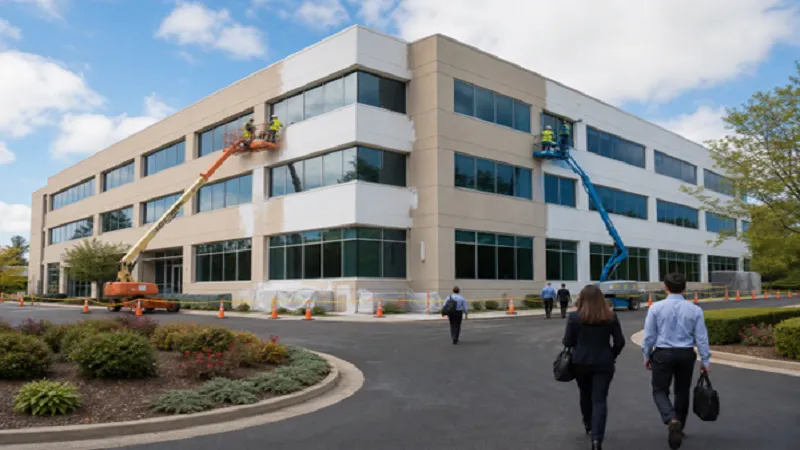
Painting an occupied commercial property requires more coordination than painting an empty building. Property managers must account for tenant schedules, customer traffic, deliveries, noise, odors, security, and access to entrances, corridors, elevators, and emergency exits. For managers evaluating regional project partners, Mb Coatings provides commercial painting service information covering interior, exterior, industrial, and specialty coating work. With more than 15 years of experience serving commercial properties across Southern California, including Los Angeles County, Orange County, Ventura County, San Diego County, and the Inland Empire, the company illustrates why communication, safety, surface preparation, and scheduling matter on active sites.
The goal is not simply to apply a fresh finish. A well-managed project protects the property while preserving the building’s everyday rhythm. Even a small repaint can become disruptive when crews must work around employees, visitors, merchandise, furniture, equipment, and occupied rooms.
Start With a Complete Building Walkthrough
Before requesting proposals, walk the property with maintenance staff and document what needs attention. This early review helps managers identify repair needs before the budget and schedule are finalized.
- List interior and exterior walls, ceilings, trim, doors, railings, and other surfaces.
- Photograph peeling paint, cracks, stains, corrosion, mildew, and possible moisture damage.
- Identify high-traffic locations that need washable, scuff-resistant finishes.
- Note high ceilings, stairwells, rooftops, loading docks, restricted rooms, and lift access needs.
- Record furniture, flooring, signage, fixtures, landscaping, and equipment requiring protection.
- Map tenant hours, delivery windows, public entrances, accessible routes, and emergency paths.
Older properties deserve special attention before sanding, scraping, or demolition begins. Managers should discuss testing and containment requirements when existing coatings could present a hazard, particularly in child-occupied settings, where the EPA explains lead-related renovation requirements.
Build the Schedule Around Building Activity
Plan work around the building’s quietest periods rather than applying a single schedule to every space. Offices may have low occupancy in the evening, retail centers may be more workable after closing, and warehouses may need painting coordinated around shipping cycles. Schools, restaurants, medical facilities, and mixed-use properties often need more detailed access and ventilation planning.
Scheduling Options to Consider
- Evening, overnight, or weekend work.
- Phases organized by suite, floor, corridor, wing, or exterior elevation.
- Short daytime work blocks during low-traffic periods.
- Temporary staff relocation for enclosed or high-odor areas.
- Exterior work planned for suitable temperature and weather conditions.
For example, an office building can repaint one corridor at a time and reopen it after inspection and cleanup. A retail property can schedule work after closing, then remove barriers and restore customer access before morning.
Use Phased Work to Keep Areas Open
Dividing the project into manageable zones reduces the size and duration of each closure. Every phase should include a start date, work hours, access route, protection plan, drying period, inspection point, and cleanup deadline.
- Select the work zone and notify affected occupants.
- Move or protect furniture, equipment, and nearby finishes.
- Install signs, barriers, and safe alternate walking paths.
- Complete repairs, preparation, priming, coating, and drying.
- Inspect and clean the zone before returning it to service.
- Complete the document, then move to the next area.
A phased project can require more calendar days, but it often prevents the larger operational losses associated with closing an entire floor or business area at once.
Choose Materials for the Space
Coating selection should reflect the surface, expected wear, cleaning methods, moisture exposure, sunlight, temperature changes, and the building’s use. A low initial price is not always the best value if a finish scuffs easily or needs frequent touch-ups.
- Ask whether the surface needs frequent cleaning or will be subject to regular contact.
- Consider low-odor or low-VOC options where ventilation and occupant comfort are priorities.
- Specify weather-resistant exterior systems where sun, rain, or moisture is a concern.
- Confirm whether fire protection, waterproofing, anti-graffiti, or corrosion-control systems are needed.
- Obtain approved color samples when brand standards must be matched.
Protect Occupants, Workers, and Property
Safety planning should cover barriers, warning signs, ventilation, personal protective equipment, chemical handling, electrical hazards, ladders, lifts, scaffolds, and falling-object risks. Contractors should keep fire equipment, exits, public walkways, and accessible routes clear throughout the workday. Managers can use OSHA guidance on walking-working surfaces to frame questions about fall hazards, inspections, and safe access around active work zones.
Communicate Before Work Begins
Clear notices prevent avoidable complaints and help tenants plan around short-term disruptions. Send a general project announcement, followed by a zone-specific reminder shortly before each phase begins. Include affected areas, work dates and hours, temporary closures, alternate routes, anticipated noise or odor, and a contact for questions.
Prepare a Clear Scope of Work
A detailed scope makes bids easier to compare and reduces disputes after work starts. It should identify rooms, elevations, surfaces, square footage, repairs, preparation standards, primers, coating systems, colors, sheens, number of coats, protection requirements, access equipment, work hours, cleanup, punch-list expectations, and final approval procedures. Include written rules for change orders, especially for concealed moisture damage, substrate repairs, or access restrictions discovered during the project.
Compare Contractors on More Than Price
Review each proposal for relevant experience with occupied buildings, insurance and licensing, safety procedures, site supervision, product data, preparation allowances, references, schedule commitments, warranty terms, and cleanup procedures. The lowest bid may omit important coordination steps that protect tenants and daily operations.
Track Progress and Handle Changes
Use short progress meetings and written daily updates to keep the project aligned. Confirm the work zone, inspect barriers and surface preparation, take photos of completed areas, verify cleanup before reopening spaces, and promptly update occupants if weather, material delays, hidden damage, or tenant requests change the schedule.
Common Questions From Property Managers
Can a commercial building stay open during painting?
Often, yes. Phased work, barriers, ventilation, protection, and clear alternate routes can allow much of a property to remain operational, although some areas may still need temporary closure.
Is overnight painting always better?
Not always. It can reduce occupant contact, but it may increase labor costs and require careful planning for lighting, security, noise, and building access.
What should happen if moisture damage is found?
Address the source before coating the surface. Painting over an active leak or damp substrate can cause staining, peeling, and early coating failure.
Final Planning Checklist
- Inspect and document current surface conditions.
- Identify tenant, customer, staff, and delivery patterns.
- Divide work into practical, clearly defined zones.
- Select finishes based on use, exposure, and maintenance needs.
- Confirm safety, access, containment, ventilation, and cleanup plans.
- Send timely notices and communicate schedule changes quickly.
- Require detailed proposals, inspections, and completion of punch lists.
Commercial painting does not need to bring normal operations to a halt. With a thorough walkthrough, a realistic phased schedule, suitable materials, a detailed scope, and consistent communication, property managers can improve and protect their buildings with far less disruption.