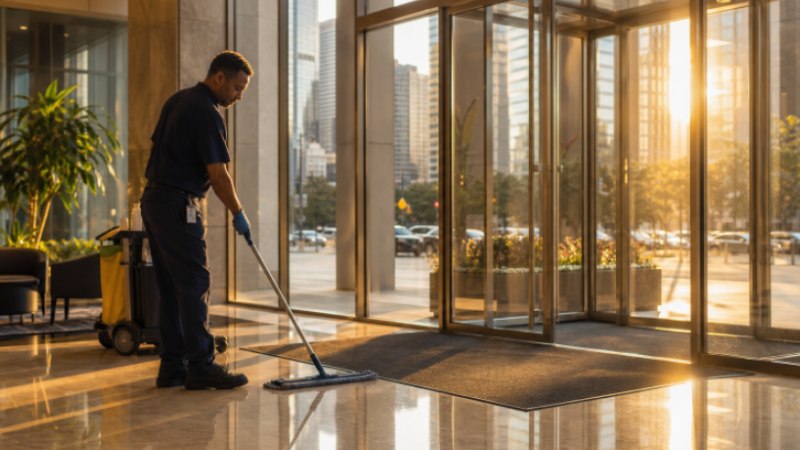
Chicago, Illinois, workplaces need cleaning plans that go beyond a polished first impression. From high-rise offices in the Loop to neighborhood schools, clinics, warehouses, and shared commercial buildings, a well-designed routine helps support comfort, safer walking conditions, indoor air quality, and better day-to-day operations. Effective janitorial cleaning services in Chicago, IL should be guided by how people actually use a space. A generic checklist can miss the realities of hybrid schedules, busy lobbies, winter slush, shared equipment, food areas, and changing occupancy levels. The strongest plans set clear priorities while remaining flexible enough to respond to new needs.
Why Cleaning Plans Matter
Cleaning is not simply a visual task. It affects how visitors experience a facility, how employees use shared spaces, and how building finishes hold up over time. In Chicago, a plan also needs to account for dramatic seasonal changes, salt and moisture at entrances, pollen, event traffic, and the different demands of occupied and lightly used areas.
Start With A Building Assessment
Before assigning frequencies, walk the property and document what is happening in each area. Start by listing rooms, entrances, restrooms, kitchens, elevators, storage spaces, and shared equipment areas. Then note daily traffic, surfaces that soil quickly, recurring odors, spill locations, maintenance concerns, and occupant complaints. This review turns assumptions into a usable cleaning map.
Divide The Building Into Cleaning Zones
Zone-based planning makes it easier to direct time and supplies where they matter most. Organize the facility into practical groups:
- Public zones: entrances, reception areas, waiting rooms, hallways, and elevators.
- Work zones: private offices, open workstations, conference rooms, and shared technology areas.
- Service zones: restrooms, break rooms, kitchens, loading areas, and supply rooms.
- Special-use zones: production areas, laboratories, clinics, or other spaces with separate procedures.
A busy lobby may need several checks during the day due to outdoor soil and steady foot traffic. A lightly used private office may only need routine service on a less frequent schedule.
Set The Right Cleaning Frequency
Square footage is useful for staffing, but it should not be the only factor behind a cleaning schedule. Traffic, surface type, food use, moisture, and the consequences of a missed task all matter. A balanced plan usually includes:
- Daily work: waste removal, restroom service, spot cleaning, floor attention, and high-use touchpoints.
- Weekly work: detailed dusting, edge vacuuming, fabric care, and less-used surfaces.
- Periodic work: carpet extraction, floor restoration, high dusting, and upholstery cleaning.
- Event-based work: spill response, post-construction cleanup, illness-related disinfection, and seasonal refreshes.
Focus On High-Touch Surfaces
Not every surface has the same priority. Review door handles, push plates, elevator buttons, stair rails, faucet handles, light switches, shared phones, keyboards, touchscreens, break-room appliance handles, and reception counters. Ranking these surfaces by actual use helps teams concentrate effort where many people make contact throughout the day.
Know When To Clean, Sanitize, And Disinfect
Cleaning removes soil and reduces germs from surfaces. Sanitizing reduces remaining germs after cleaning, while disinfecting is intended to kill harmful germs that remain after cleaning. In most routine situations, cleaning is the starting point and may be sufficient. When a surface is visibly soiled, clean it before applying a sanitizer or disinfectant. The CDC’s facility cleaning guidance emphasizes regularly cleaning high-touch surfaces, following product labels, maintaining the required wet contact time, increasing air circulation when appropriate, and avoiding mixing chemicals. Healthcare, food production, and other regulated settings may require procedures beyond general workplace guidance.
Protect Indoor Air Quality
Cleaning decisions can influence the indoor environment. Use damp dusting and mopping methods that limit dust movement, keep supply and return vents clear, and promptly address leaks or standing moisture. Store chemicals securely with containers closed and report any recurring odor, irritation, or stuffiness to building management. For office properties, EPA guidance explains why source control, ventilation, filtration, moisture management, and coordination between tenants and facility teams all contribute to indoor air quality.
Choose Safer Products And Work Methods
Select products based on the task and surface, rather than relying on a single solution for every job. Confirm that labels explain approved uses, dilution directions, contact time, and the need for protective equipment. Keep safety data sheets available, train workers on proper handling, and never mix cleaning chemicals. The right product and method can help protect flooring, fixtures, electronics, workers, and occupants from avoidable damage or exposure.
Build A Seasonal Cleaning Plan
Chicago weather makes seasonal planning essential. Winter routines should prioritize entry mats, salt removal, wet-floor response, and slip prevention. Spring can bring pollen, tracked-in debris, window cleaning, and moisture checks. Summer may call for attention to humidity, odors, cooling-system coordination, and event traffic. In the fall, prepare entrances for leaf debris and review floors, mats, and supplies before winter weather returns.
Track Results And Improve The Plan
A cleaning plan improves when teams measure what is being missed or changed. Review restroom and break-room inspections, supply use, spill reports, odor complaints, maintenance requests, occupant feedback, and shifts in building traffic. A monthly review with assigned follow-up actions can reveal whether a zone needs a different frequency, better tools, or clearer expectations.
Common Questions
How Often Should An Office Be Cleaned?
The answer depends on occupancy, shared-space use, work type, food service, and traffic. A small private office generally has different needs than a multi-tenant building with a busy lobby, elevators, and heavily used restrooms.
Should Every Surface Be Disinfectant Daily?
No. Routine cleaning is often appropriate for many surfaces. Additional disinfection may be appropriate after visible contamination, an illness-related incident, or when a facility’s risk assessment calls for it.
What Areas Are Often Missed?
Commonly overlooked spots include door edges, elevator controls, undersides of fixtures, shared electronics, restroom hardware, vents, corners, and high ledges.
How Can Cleaning Reduce Workplace Disruption?
Schedule louder or more detailed work during low-traffic periods, rotate zones, communicate temporary closures, and keep task lists specific so workers can complete service efficiently.
A Cleaner Plan Supports A Better Workday
A healthier cleaning plan is practical, flexible, and based on real building use. Chicago workplaces can create stronger routines by assessing each space, prioritizing high-traffic areas, protecting indoor air, preparing for seasonal conditions, and reviewing results regularly. That approach supports a cleaner, more comfortable workplace throughout 2026.
Conclusion
A practical workplace cleaning plan should be based on how a Chicago building is actually used rather than relying on a standard checklist. Assessing traffic patterns, cleaning zones, high-touch surfaces, indoor air concerns, seasonal conditions, and specialized areas can help facility teams set priorities and appropriate service frequencies. Proper product selection, safe handling, and clear cleaning procedures are also important for protecting workers, occupants, and building surfaces. Because Chicago workplaces experience changing weather and occupancy patterns throughout the year, cleaning schedules should be reviewed and adjusted when conditions change. Regular inspections, occupant feedback, supply tracking, and incident reports can help identify areas that need additional attention. By combining consistent routines with flexible planning and ongoing review, workplaces can maintain cleaner, more comfortable, and more functional environments throughout 2026.