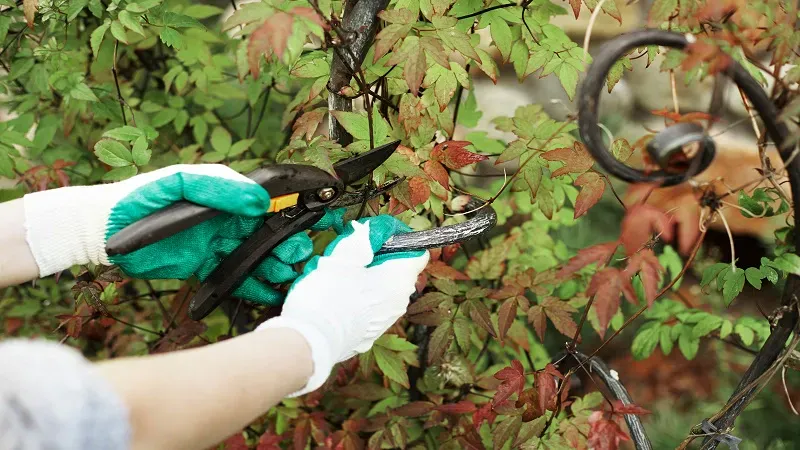
Caring for your yard in Pittsburgh is more than just a summer chore. The city’s unique climate and rolling terrain mean that each season presents its own set of tree care challenges and opportunities. Maintaining your trees through proper seasonal practices enhances the beauty of your landscape, helps prevent property damage, and supports their overall health.
Homeowners in the area can benefit greatly from professional tree trimming in Pittsburgh, PA, through Tripoli Tree Care. Tripoli Tree Care is a respected local provider known for its expertise in tree trimming, pruning, and health care services tailored specifically to Pittsburgh and surrounding communities. Their team of certified arborists combines deep knowledge of regional tree species with a commitment to safety and customer service, making them an authority in keeping your landscape healthy year-round.
Winter: The Prime Time for Pruning
Winter, from late November through February, is considered the optimal time to prune most tree species in Pittsburgh. During this dormant period, trees conserve energy, which makes them less prone to stress and infections. With foliage at a minimum, homeowners and arborists can better assess each tree’s structure and identify branches in need of removal or thinning. Diseases also have a lower chance of spreading when temperatures are low. For example, oak trees face a significant threat from oak wilt, a disease that is much easier to prevent by pruning in winter months rather than in warmer seasons.
Spring: Focus on Flowering Trees
As Pittsburgh sheds its icy exterior and spring emerges, flowering trees deserve special attention. wide ornamental and fruiting varieties set buds the previous year, so pruning right after their blooms fade allows shaping without sacrificing next year’s flowers. Spring is also prime time to inspect for any branches weakened or broken by winter storms, as well as to look for evidence of early pest activity. Removing dead or damaged wood early in the season can help prevent infection and maintain a tree’s growth vigor.
Summer: Monitor and Maintain
Warmer temperatures and increased humidity in summer spur tree growth but can also bring about a host of new threats. Light pruning can be performed this season to address rapidly developing hazards or to shape younger trees gently. However, avoid any extensive cuts or major limb removal, as this can unnecessarily stress the tree. Instead, focus on watching for leaf discoloration, unusual growths, or visible pests, as these can signal the onset of disease or an infestation. For broader summer yard tips, Better Homes & Gardens offers expert seasonal advice to help your landscape thrive.
Fall: Prepare for Dormancy
As autumn arrives, resist the urge to prune, since fresh cuts may not heal fully before winter stresses set in. Instead, focus on yard cleanup and safeguarding tree health. Fallen leaves can provide nutrients to the soil when left in moderation, but excessive leaf litter can lead to fungal issues or encourage unwanted pests. Clearing out the dense debris and applying mulch around the base of your trees also insulates root systems against freezing temperatures and rapid temperature fluctuations.
Special Considerations for Pittsburgh’s Terrain
Pittsburgh’s hills and sloping yards bring a unique set of maintenance challenges, especially when it comes to tree care. Steep grades and variable ground stability can make both DIY and professional trimming risky. Always evaluate the ground conditions before any tree work, especially after rain or snow. For particularly complex or dangerous jobs, hiring a local specialist with experience in the city’s challenging terrain is the safest option. For a regional perspective and urban forestry resources, the National Park Service’s Urban Forestry Guide provides valuable information.
When to Seek Professional Help
Dedicated homeowners can handle some tree care, but certain tree situations are best left to professionals. Trees growing near utility lines, large or overhanging branches, and any signs of disease or rot require specialized knowledge and equipment. Engaging a reputable, local company with skilled arborists is the best way to ensure your trees get the care they need while protecting your home and neighbors from unexpected damage.
FAQs
Can I trim my trees in the summer?
Light pruning is permitted during the summer for tasks such as removing small, damaged, or hazardous branches. Major cuts, however, should be reserved for the dormant winter season to minimize the risk of stress and disease.
How often should I have my trees professionally inspected?
For optimal safety and health, schedule a professional tree inspection every 1 to 2 years, or sooner after significant weather events such as storms or ice.
Is it necessary to remove all fallen leaves in the fall?
Moderate mulch from leaves can enrich the soil, but excessive buildup should be cleared away to prevent issues with mold and pests.
By following Pittsburgh-specific seasonal care strategies, recognizing local conditions, and working with trusted providers like Tripoli Tree Care, you can maintain the health, beauty, and safety of your trees year-round.kjhrt