
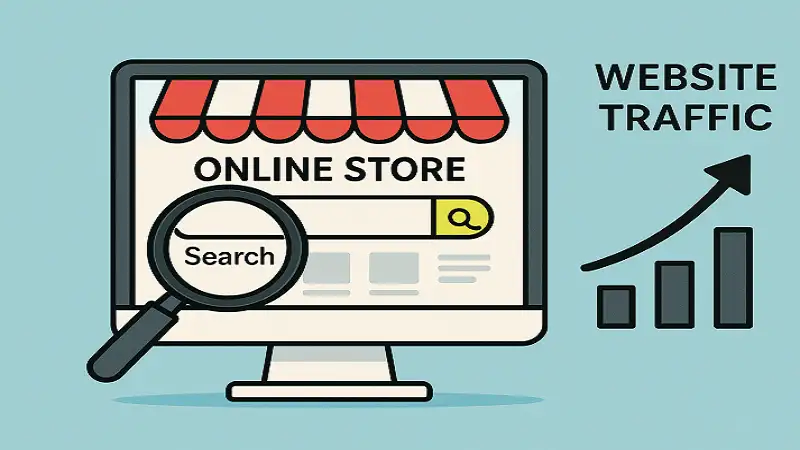
Success in the competitive e-commerce landscape depends largely on your online store’s visibility and ability to draw organic traffic. With so many brands vying for attention, appearing at the top of search engine results can distinguish between a thriving store and one that goes unnoticed. An effective SEO strategy boosts your search rankings and sets a strong foundation for sustainable growth. To learn about specific techniques vital for e-commerce websites, learn more about on-page SEO essentials and how they impact your organic presence.
Thorough optimization helps ensure your products reach customers who are ready to buy. Adopting the right SEO tactics, from understanding user intent to technical enhancements, can increase sales and customer loyalty. A solid approach to SEO is critical to providing a seamless shopping experience while ensuring your site is easily discoverable.
Conduct Thorough Keyword Research
In-depth keyword research forms the bedrock of your e-commerce SEO plan. Begin by identifying what your prospective customers are searching for, focusing on the terms and phrases they use online shopping. Tools allow you to discover high-volume, low-competition keywords directly relevant to your product lineup.
Long-tail keywords—those more specific phrases that shoppers might enter when they’re closer to a purchase decision—often have less competition and higher conversion rates. Understanding and integrating these keywords into your content and product pages can give you a significant advantage over competitors targeting only broad, high-volume search terms.
Staying aware of search trends also ensures you’re adapting to changing user preferences.
Optimize Product and Category Pages
Product and category pages drive traffic and conversions, making their optimization crucial. Start with unique, keyword-rich titles and meta descriptions for each page to help search engines and shoppers quickly understand your offerings. High-quality images with descriptive alt text not only improve accessibility but also increase the likelihood of appearing in image search results.
Original, detailed product descriptions help search engines differentiate your pages from competitors and prevent issues with duplicate content, which can harm your rankings. Including user reviews and ratings on product pages encourages engagement, drives trust, and can increase conversions—take cues from the top e-commerce marketplaces.
Organize products into clear, logical categories and link internal pages wisely to facilitate user navigation and search bot crawling.
Enhance User Experience (UX)
User experience is central to both SEO success and conversion optimization. Websites that are easy to navigate encourage visitors to continue exploring, increasing the chances they’ll make a purchase. Prioritize fast page load times, as slow sites can drive shoppers away and negatively impact search rankings. According to this study on web performance, both network speed and device capabilities significantly affect page load times.
Mobile responsiveness is another non-negotiable requirement, since a significant portion of e-commerce shopping now occurs on smartphones and tablets. Ensure your site’s design adapts seamlessly across all devices and screen sizes. Simplified navigation, clear calls to action, and a well-structured menu system complete the positive user experience needed to retain and convert shoppers.
Implement Schema Markup
Schema markup is a structured data vocabulary that tells search engines about your page content, helping them deliver rich search results for your products. Labeling data such as product names, prices, availability, and customer reviews makes your listings eligible for rich snippets. These extra details can significantly boost your visibility and increase click-through rates in search results.
Implementing schema on your product and category pages can also contribute to more precise indexing and better relevancy matches for search queries.
Build High-Quality Backlinks
Backlinks from trustworthy and authoritative sources are powerful signals for search engines, helping to establish your website as credible. Build a robust backlink portfolio by publishing valuable resources, guest posting on reputable blogs, and forming strategic alliances with influencers and industry leaders. Focus on quality—links from authoritative sites carry much more weight than links from low-authority or spammy domains.
Actively monitor your backlink profile to identify opportunities and address potentially harmful links. A steady flow of high-quality inbound links will boost your rankings and drive referral traffic from relevant, engaged audiences.
Leverage Content Marketing
An informative, engaging blog is a cornerstone of successful e-commerce SEO. Regularly posting articles that address questions, provide product tutorials, and share insights into your industry positions your brand as an authority. Effective content marketing attracts organic traffic and helps you nurture leads and drive repeat purchases.
Experiment with different content formats, including videos, buying guides, and comparison charts, to reach audiences at different buyer journey stages. The goal is to build trust and keep your audience returning for more.
Monitor and Analyze Performance
Continuous performance monitoring is essential for refining your SEO strategy over time. Tools like Google Analytics and Google Search Console provide detailed insights into traffic patterns, user behavior, bounce rates, and conversion metrics. Regular analysis helps you identify which strategies are working and which areas need improvement.
By comparing data over time, you can identify trends, measure ROI, and make informed decisions to enhance your e-commerce site and drive more organic sales continually.
Final Thoughts
Investing in effective SEO is a long-term strategy that yields compounding benefits. By conducting thorough keyword research, optimizing pages, enhancing user experience, incorporating schema markup, building quality backlinks, leveraging content marketing, and consistently analyzing website performance, your e-commerce business will be in the best position to succeed. Taking these steps sets your store up for increased visibility, more qualified organic traffic, and ultimately, higher sales.