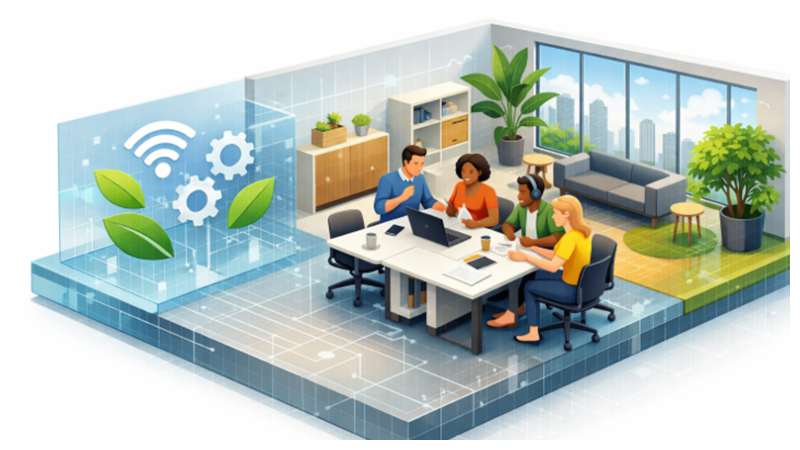
In today’s rapidly evolving work environment, professional facilities services are at the forefront of transforming how organizations operate, interact, and grow. Thanks to technological advancements and innovative management strategies, facilities services are no longer just about maintaining the physical aspects of a workspace. Instead, they provide solutions that enhance efficiency, drive sustainability, and shape positive employee experiences. These shifts are equipping businesses to remain competitive and agile in a global marketplace. For businesses seeking a strategic edge in operational excellence, partnerships with experts like Deltaservices.com can help unlock new levels of workplace effectiveness and employee satisfaction.
The move toward multidisciplinary and human-centric facilities management is helping organizations improve productivity while creating value well beyond traditional cost containment. By integrating services that proactively address employee needs and business goals, facilities management has truly emerged as a strategic partner in business success.
Facilities managers are expected to balance strategic vision with efficient operational execution. This includes aligning services with corporate objectives, adapting to remote and hybrid work trends, and integrating new technologies that optimize maintenance, resource use, and user experience. As the workforce becomes more diverse and mobile, and as companies face new sustainability demands, professional facilities services will continue to redefine how offices are conceived and managed.
These innovations in facilities management touch all aspects of the modern office, from how meeting spaces are booked to how energy is conserved and are shaping the future of work.
The Shift Towards Strategic Facilities Management
Facilities management has traditionally been viewed as a behind-the-scenes, cost-driven function. Today, it is a central driver of business productivity and innovation. The field has shifted towards a more strategic approach, where facilities services are aligned closely with business goals and play a role in attracting top talent, fostering collaboration, and enhancing brand image. According to JLL’s 2025 Global State of Facilities Management Report, 84% of leaders in the field now focus on aligning their budgets and initiatives with broader business objectives, overcoming budget pressures by demonstrating clear value and impact.
Embracing Technology for Enhanced Efficiency
Technology is revolutionizing every aspect of facilities management. Artificial intelligence, machine learning, and Internet of Things (IoT) solutions have made buildings smarter and more responsive. AI-powered platforms enable predictive maintenance, allowing issues to be addressed before they disrupt operations. IoT devices monitor everything from energy consumption to air quality, providing real-time insights that enable proactive, data-driven decision-making. As reported in JLL’s 2025 Global State of Facilities Management Report, companies that invest in smart building systems achieve significant efficiency gains and cost savings.
Prioritizing Sustainability in Facilities Management
Sustainability is now a core element of modern facilities management. Organizations are expected to meet stricter regulatory requirements regarding energy use, waste reduction, and green building certifications. Facilities managers now focus on implementing energy-efficient lighting, HVAC systems, and water-saving technologies, as well as sourcing sustainable materials for construction and renovation. These measures deliver long-term cost savings and reinforce a company’s reputation as an environmentally responsible employer.
Adapting to Hybrid Work Models
The shift to hybrid working has forced companies to rethink how they use their spaces and deliver services. Facilities services must now create adaptable environments that support both in-person and remote collaboration. Solutions such as flexible desk booking, enhanced digital connectivity, and modular meeting spaces are essential components of the post-pandemic office. This flexibility ensures that organizations can respond quickly to changing staffing patterns and use space more efficiently than ever before.
Enhancing Employee Experience Through Facilities Services
Modern facilities management actively contributes to a positive workplace culture by focusing on employee well-being, health, and comfort. From ergonomic workstations to wellness rooms and collaboration lounges, facilities services are helping businesses offer workplaces that keep employees engaged and motivated. The right physical environment not only attracts talent but also supports increased productivity and reduced absenteeism, which is critical in today’s highly competitive job market.
The Future of Facilities Management
Looking ahead, facilities management will continue to evolve as new technologies and work patterns emerge. The industry is moving toward highly adaptive, human-centric workplaces that balance efficiency, flexibility, and well-being. Ongoing investments in smart technologies, enhanced service models, and sustainability will enable organizations to stay agile and resilient, ready for whatever the future of work demands. Ultimately, facilities services will remain essential in helping businesses connect their people, processes, and places for maximum effectiveness.