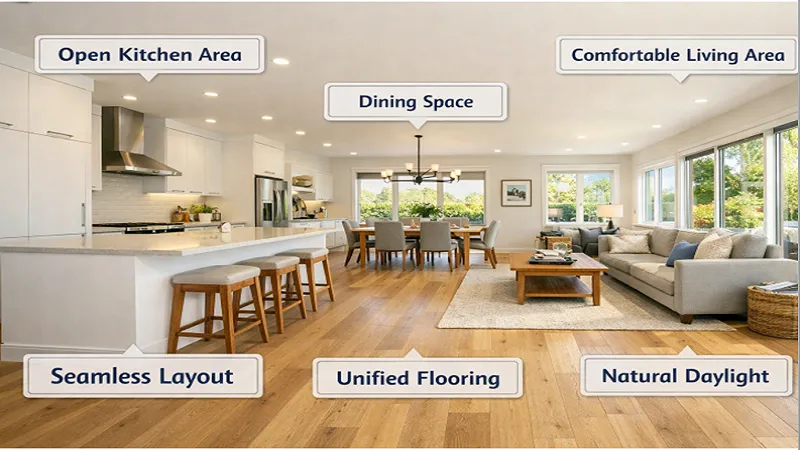
Modern homeowners are increasingly drawn to open-concept living. It brings a light, airy feeling while encouraging connections between friends and family. As people spend more time at home, many seek ways to rethink traditional layouts, removing boundaries in favor of bright, flexible spaces. If you are considering renovating your house, exploring this website can offer helpful inspiration and professional guidance for remodeling solutions.
An open layout does not just look appealing; it also feels inviting. It also increases the functionality of your rooms, improves natural light flow, and maximizes usable space. By understanding how to plan and execute this transformation, you can turn an enclosed, segmented home into a welcoming hub for daily living and entertaining alike.
Assessing Your Current Layout
The first step is carefully analyzing your existing floor plan. Walk through your house, noting the walls, doors, and partitions that currently break up the space. It is essential to distinguish between load-bearing walls and those placed for privacy or decorative reasons. Removing structural walls requires more than just demolition. Consulting with a licensed structural engineer can ensure your changes do not compromise your home’s safety or stability, a precaution emphasized in expert remodeling guides.
Besides walls, consider plumbing, electrical, and HVAC systems that may run through certain barriers. Relocating these components is possible but needs specialized expertise. Planning with professionals at this early stage prevents costly surprises and ensures your project aligns with your long-term goals.
Planning the Open Space
Your open space should reflect your daily needs and desired activities. Take time to define how you want the kitchen, dining, and living areas to interact. Open-concept homes often put the kitchen at the heart of the home, connecting it to dining and lounging areas. Think about movement flow, too: position walkways and furniture so the space feels easy to use and not cluttered.
To achieve a cohesive design, select a unified color palette and consistent flooring throughout the whole area. This helps visually tie connected spaces together. Open layouts also benefit from flexible storage pieces, such as kitchen islands, shelving, or hidden cabinets, which help reduce visible clutter and maintain a streamlined appearance.
Incorporating Architectural Features
While the idea of “open concept” calls for minimal barriers, some structural elements can provide subtle boundaries without sacrificing spaciousness. Half-walls, columns, glass or steel partitions, and built-in shelving are popular architectural solutions that provide both support and definition. These features add character while letting light and air circulate freely between rooms.
Enhancing your space with well-designed features can also make it more functional. For example, a kitchen island not only anchors the cooking area but also offers additional storage and seating. Translucent dividers made of frosted glass or wood slats deliver privacy without completely closing off an area. These elements help differentiate work, relaxation, and entertainment zones within your home without reverting to full walls.
Utilizing Furniture and Decor for Zoning
Furniture placement plays a central role in creating “zones” within your open layout. For instance, by placing a sectional sofa with its back toward the dining table, you subtly mark the living space. Bookshelves, low cabinets, and console tables work as visual cues that do not obstruct light. Area rugs are another practical option for defining sections such as the living or dining area, providing comfort while encouraging guests to gather where you intend.
Layered lighting is equally important. Mix overhead fixtures like chandeliers or pendant lights with table lamps and recessed lighting to create distinct moods for each zone. Dimmer switches add versatility, letting you adjust ambiance as needed throughout the day or night.
Addressing Lighting and Acoustics
One of the main benefits of open-concept designs is increased light, both natural and artificial. Larger windows, sliding glass doors, or skylights can maximize daylight, making your space feel welcoming and energetic. However, evening and cloudy days will require supplementary lighting. Place floor lamps and wall sconces thoughtfully to ensure all corners are evenly illuminated.
Sound can travel quickly in open spaces. To keep noise in check, incorporate soft surfaces and textiles, area rugs, upholstered furniture, curtains, and even acoustic panels, which help absorb echoes and dampen sound. For larger or particularly lively homes, you may also consider adding design elements such as bookshelves or decorative partitions to help separate activities without obstructing openness.
Considering the Resale Value
While open floor plans are a favorite among many buyers, some may still prefer defined, compartmentalized spaces. Home offices, playrooms, or formal dining areas are features that can set your property apart. Striking a balance combining openness with clearly zoned or semi-private areas will help ensure your home appeals to a broader market if you decide to sell in the future.
Think strategically about which walls to remove and where to maintain some separation. Adaptable designs, such as sliding doors or movable screens, offer flexibility as lifestyles and market trends evolve.
Final Thoughts
Transforming a closed floor plan into an open and functional home requires thoughtful evaluation, careful planning, and expert execution. By addressing structural concerns, intentionally designing zones, and using both architectural and decorative solutions, you can create a space that is not only beautiful but also practical and value-enhancing for years to come.