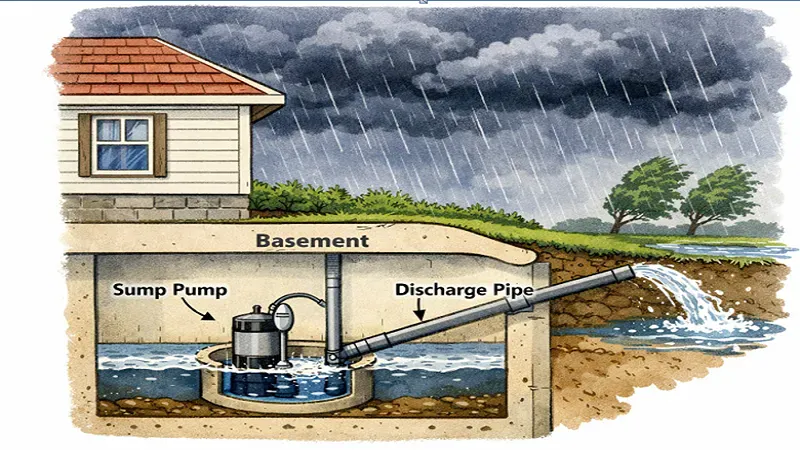
Heavy downpours can put immense pressure on your home’s sump pump system, exposing any vulnerabilities that may already exist. If your sump pump fails during a major storm, water can quickly accumulate in your basement or crawl space, causing expensive property damage. To avoid this risk, it’s important to understand how sump pumps work and what steps you can take before, during, and after severe weather hits. If you’re facing issues, finding sump pump repair near me can quickly connect you with experts who specialize in keeping your system working reliably.
Knowing the common causes of sump pump malfunctions is the first step to preventing disaster. Whether you do your own seasonal maintenance or work with professionals, taking a proactive approach will help ensure your sump pump stands strong against the challenges that heavy rain brings. With the right plan in place, you can keep your basement dry and your peace of mind intact when storms arrive.
Understanding Sump Pump Failures
A sump pump’s job is to channel excess water away from your foundation, so you avoid unwanted moisture and flooding inside your home. When a heavy rainstorm dumps large amounts of water quickly, your pump has to work double time. But even quality pumps can fail if overlooked. Here are the main culprits:
- Power Outages: Thunderstorms often disrupt electricity. Without power, even a new sump pump stops working until the power returns.
- Clogged Discharge Lines: Dirt, leaves, or ice can block the pipe that releases water from your home, forcing water to back up.
- Mechanical Failure: Over time, parts like the float switch or impeller can stick, jam, or break, making the pump unreliable.
Preventive Maintenance Tips
Routine checks and simple cleaning go a long way toward extending the life of your sump pump. By making these habits part of your seasonal maintenance, you can catch issues before they become emergencies.
- Clean the Pump and Pit: Regularly remove debris and mud from the sump pit. An accumulation at the bottom can quickly lead to clogs, impeding pump function.
- Test the Pump: Every few months, pour about five gallons of water into the pit, confirming the float lifts and the pump efficiently removes water. If it does not, repairs may be needed.
- Inspect the Discharge Line: Go outside and visually check the discharge area. Make sure nothing blocks or damages the outlet, particularly after storms or yard work.
- Check the Battery Backup System: If you already have a backup, inspect the battery’s charge. If you do not, now is the time to consider one to guarantee pumping continues during a blackout.
Beyond the basics, it’s also wise to check your home’s grading and gutter systems to ensure water is being directed away from your foundation, reducing the demand on your sump pump.
Installing a Battery Backup System
Since power outages are a leading cause of sump pump failure during heavy rain, investing in a battery backup is a smart move for homeowners. A battery-powered unit automatically activates when your main pump loses power, allowing water removal to continue uninterrupted. This backup may run for several hours or even days, depending on the model and the size of your sump pit. Choose a system with an alarm that notifies you when the battery is in use or if maintenance is required. For in-depth information about different backup systems, this HouseLogic resource offers a helpful breakdown.
When to Seek Professional Help
If your sump pump makes unusual sounds, operates constantly, or stops working entirely, calling a licensed plumber or sump pump specialist is the safest option. A professional will run tests, check for obscure blockages or electrical issues, and recommend repairs or replacements as needed. Scheduling professional inspections at least once a year further reduces your risk by catching mechanical problems early.
Additional Tips for Sump Pump Longevity
To further safeguard your system, consider installing a sump pump alarm that notifies you if water levels get too high in the pit. These alarms can alert you via loud sounds, lights, or even text messages if you have a smart model, which is especially helpful when you aren’t at home. Also, make sure that the sump pump’s check valve is functioning properly, as this valve stops water from flowing backward into the sump pit after the pump shuts off.
Another strategy involves keeping emergency supplies nearby, such as a portable generator, extra extension cords, and water cleanup materials like towels and a wet/dry vacuum. That way, you are prepared to respond quickly if your sump pump encounters any hiccups during severe weather. You may want to keep a maintenance log for your sump pump equipment. Documenting each inspection, cleaning, and repair makes it easier to spot emerging patterns or recurring issues before they develop into full-blown failures requiring costly repairs.
Finally, keep in mind that the environment surrounding your basement and sump pump system can also play a significant role in flood prevention. Trimming plants and bushes near your home’s foundation, repairing foundation cracks, and sealing basement walls can reduce the risk of water intrusion. Don’t forget to periodically assess your insurance coverage. Verify that your policy covers water damage or that you have supplemental flood protection appropriate for your area. With thorough preparation, attention to detail, and a proactive mindset, you can minimize the risks posed by heavy rainfall and ensure long-term protection for your property.
Conclusion
Staying one step ahead of storm damage means paying attention to your sump pump year-round. By understanding how failures occur, sticking to an effective maintenance schedule, and exploring upgrades like battery backups, you ensure your home is ready for even the largest rainfall events. Regular maintenance, careful observation, and timely consultations with professionals will keep your sump pump reliable during every storm.